
Think Strategically. Design with Purpose.
DEVELOP THE STRATEGIC THINKING AND DECISION-MAKING SKILLS INSTRUCTIONAL DESIGNERS NEED TO SOLVE REAL PROBLEMS, CREATE MEANINGFUL SOLUTIONS, AND MAKE A GREATER IMPACT.

The Gap Isn’t Learning How to Build
You may know the instructional design process. You may know how to develop learning objectives, create courses, and use the tools. But when a stakeholder comes to you with a request for training, the harder questions begin.
01
Defining the Real Problem
What problem are we actually trying to solve?
A request for training isn’t always evidence that training is needed. Strategic IDs learn to look beyond the request and clarify the performance problem first.
02
Finding Out Why It’s Happening
What’s really causing the performance gap?
Knowledge and skill are only two possibilities. Expectations, processes, tools, resources, incentives, and the work environment can all affect performance.
03
Recommending the Right Solution
What should we actually do about it?
Instead of automatically designing a course, strategic IDs evaluate the evidence and recommend the intervention most likely to improve performance.
04
Explaining the Recommendation
Can I confidently explain why this is the right approach?
Strategic IDs connect their recommendations to evidence, communicate their reasoning, and help stakeholders understand why the proposed solution makes sense.
STRATEGIC INSTRUCTIONAL DESIGN STARTS BEFORE DESIGN BEGINS.
What Strategic Instructional Design Looks Like
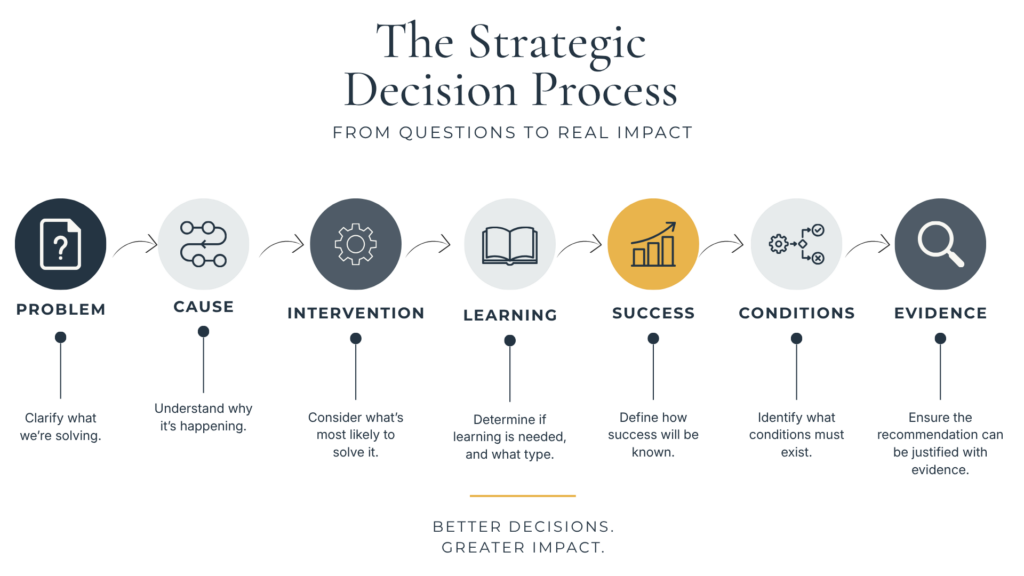
Strategic instructional designers don’t begin with the deliverable. They begin by understanding the problem, examining the evidence, and determining what will make the greatest difference in performance.
Ask Before Assuming
A training request is a starting point for discovery, not an automatic solution.
Look Beyond Learning
Performance problems can have many causes. Strategic IDs consider the full environment before deciding what needs to change.
Recommend With Purpose
The solution is based on what the evidence supports, whether that means learning, performance support, process changes, manager support, or a combination of interventions.
Connect Decisions to Results
Every recommendation should connect back to the performance problem and how success will ultimately be measured.
The Strategic Instructional Designer Framework™
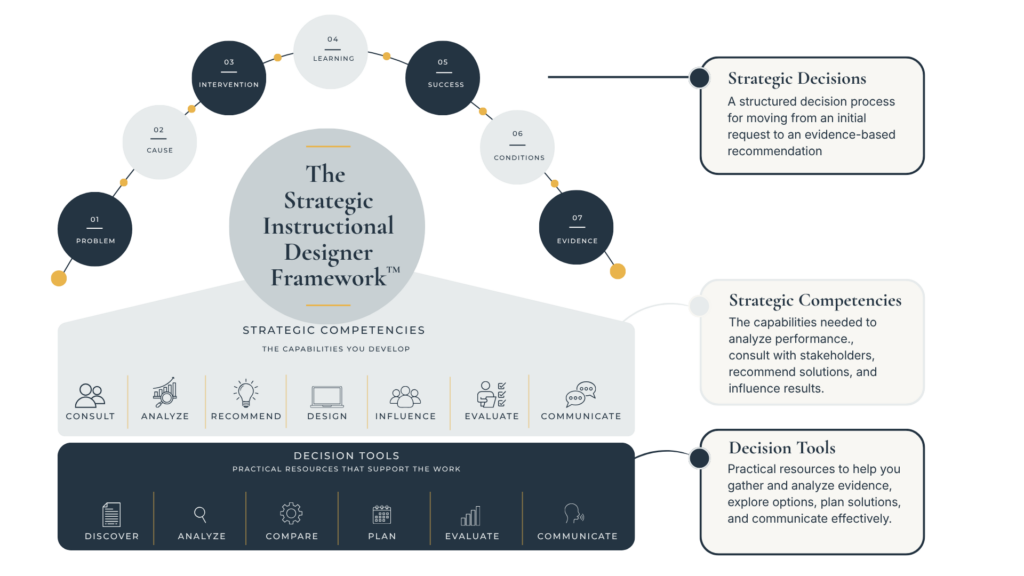
Instructional design requires more than knowing a process. It requires knowing how to make sound decisions when the problem is unclear, the evidence is incomplete, and stakeholders already have a solution in mind.
The Strategic Instructional Designer Framework™ provides a structured approach for navigating those situations, from discovery and performance analysis through solution recommendation, learning design, evaluation, and stakeholder communication.
It brings together the questions to ask, competencies to develop, and practical tools to use so instructional designers can make thoughtful, evidence-based decisions throughout their work.
The framework provides the structure. The program gives you the opportunity to put it into practice.
THE DEVELOPMENT EXPERIENCE
One-on-One Strategic Instructional Designer Development Program
Strengthen your strategic thinking through practice, feedback, and reflection.
The Strategic Instructional Designer Development Program is a one-on-one experience designed to strengthen the strategic thinking, judgment, and consulting skills that are difficult to develop through courses alone.
Working one-on-one with an experienced instructional design professional, you’ll apply the Strategic Instructional Designer Framework™ to realistic workplace challenges, navigate incomplete information and stakeholder situations, and receive personalized feedback on the reasoning behind your decisions.
The goal isn’t to teach you another instructional design process. It’s to help you become more confident in how you think, what you recommend, and how you explain the decisions you make.
What This Looks Like in Practice
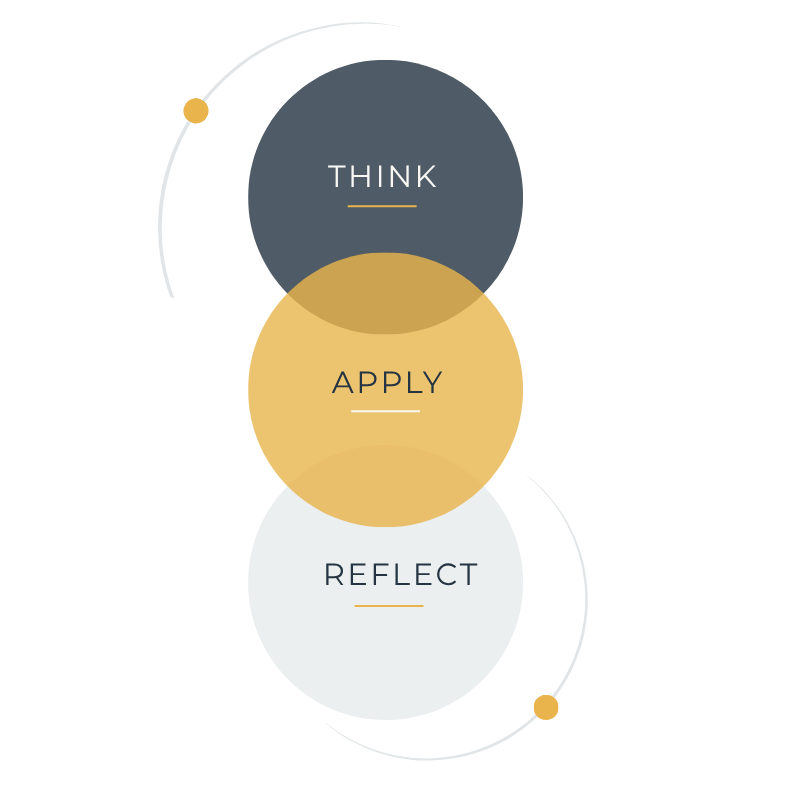
This isn’t a program where you simply learn about strategic instructional design. You’ll practice making the kinds of decisions instructional designers face in real work, with guidance, feedback, and opportunities to strengthen your thinking along the way.
Work Through a Realistic Case
Practice with ambiguity
Step into the Strategic Case Lab™, where you’ll work through an evolving business challenge, gather information, meet with stakeholders, and determine what’s really affecting performance.
Make the Decisions
Think before you build
Use the Strategic Decision Framework to analyze evidence, identify causes, consider possible interventions, and make recommendations rather than being given the “right” answer.
Use the Tools
Turn your thinking into action
Apply practical decision tools to organize discovery, analyze performance gaps, compare solutions, plan learning when it’s needed, and evaluate your recommendations.
Get One-on-One Guidance
Strengthen your judgment
Work individually with an experienced instructional design professional to talk through your reasoning, challenge assumptions, consider other perspectives, and build confidence in the decisions you make.
Ready to Think Differently About Instructional Design?
If you’re ready to strengthen your strategic thinking, judgment, and confidence as an instructional designer, explore the development program and see if it’s the right next step for you.