If employees aren’t performing the way you expect, the issue usually starts earlier than most of us think. It often comes back to how training is structured from the beginning.
Most teams put a lot of effort into getting someone started. There’s time set aside, people are involved, and information is shared. That part is usually not the problem.
Where things start to fall apart is what happens after that initial training period.
What I Typically See
Usually what I see is an initial push to get the new hire up to speed. After that, things become less defined.
Managers go back to their regular workload. The new hire is expected to start contributing more. Training doesn’t necessarily stop, but it becomes more informal and less consistent.
At that point, progress tends to depend on what the manager has time to cover, what the new hire picks up on their own, and whatever happens to come up during the day. There usually isn’t a clear plan guiding what should happen next.
Why That Creates Problems
Early training is often focused on exposure. People are shown systems, walked through processes, and given a general understanding of the role.
But performance doesn’t come from exposure alone. It comes from building capability over time.
When there isn’t structure beyond that initial period, expectations can become rather vague. Feedback tends to happen only when something goes wrong. Managers end up stepping in reactively instead of guiding progress intentionally. It also becomes difficult to tell whether someone is actually improving or just getting by.
So even when the training itself is solid, the results are often inconsistent.
Where It Starts to Break Down
The issue isn’t that training disappears. It’s that nothing clearly replaces it.
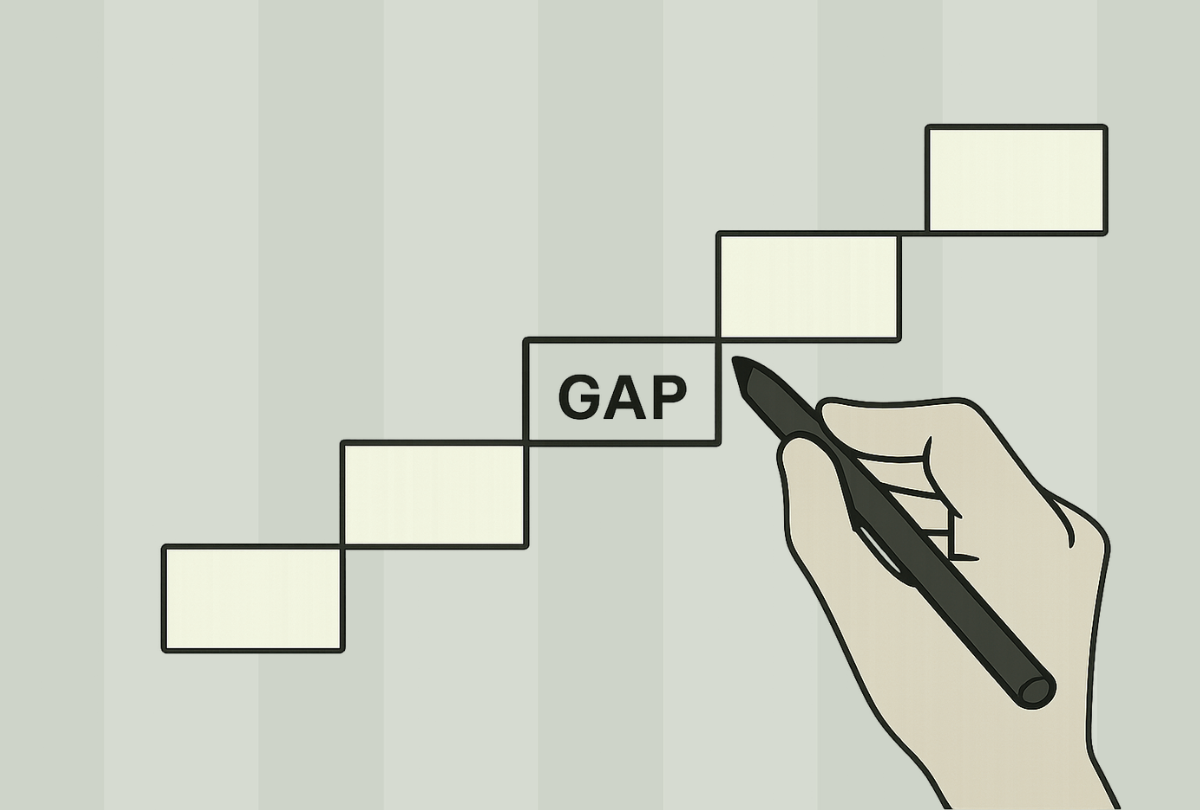
There’s no defined progression from being shown how to do the job to being able to do it consistently without support. The new hire ends up somewhere in between, no longer brand new but not fully effective either.
That’s where most performance issues begin to show up.
What Needs to Change
Getting someone started is only one part of the process. There needs to be a clear connection between that initial training and what comes next.
That usually means having a defined path for what someone should be able to do over time, setting expectations beyond the basics, and building in consistent check-ins that focus on progress rather than just availability. It also helps to have a simple way to see whether someone is actually improving.
Without that, everything depends on the manager, and that’s where inconsistency tends to show up across teams.
Bottom Line
When performance is inconsistent, it’s rarely just about the individual. More often, it’s a gap in how training is structured and carried forward.
Where to Start
If you’re trying to figure out where things are breaking down, look closely at what happens after someone is considered “trained.” That’s where most teams lose visibility.
If you want a clearer picture of what’s working and what’s not, you can start with the Employee Onboarding System Audit. It’s a simple way to identify what’s structured, what’s missing, and where the gaps are.