
Most growing teams don’t have a bad onboarding problem.
They have an inconsistent one.
New hires are onboarded. Training happens. Managers step in and help. On the surface, everything looks fine.
But dig a little deeper, and you’ll often find this pattern:
- One manager emphasizes certain processes
- Another skips them entirely
- Expectations vary by team, role, or location
- What a new hire learns depends on who trains them
Nothing is broken outright — but nothing is aligned either.
And that inconsistency quietly creates costs most teams don’t see until growth starts to strain the system.
Why Inconsistent Onboarding Happens as Teams Grow
In early-stage teams, onboarding is personal and informal. Founders or early managers walk new hires through the work, answer questions as they come up, and adjust on the fly.
That works — until it doesn’t.
As teams grow:
- More managers are involved in onboarding
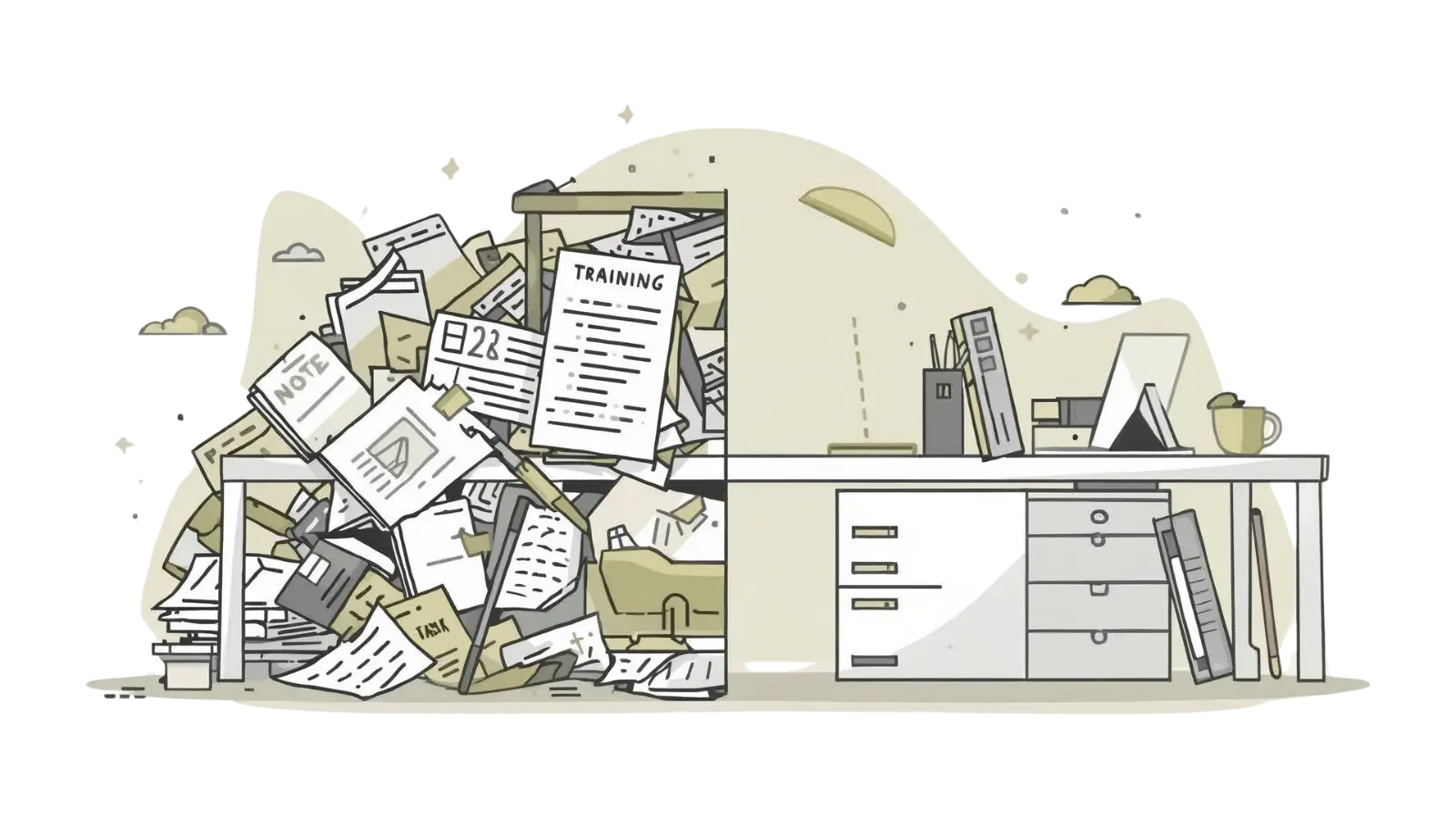
- Knowledge lives in different heads
- Documentation becomes scattered
- “This is how I do it” replaces shared standards
Each manager has good intentions.
But without a shared framework, onboarding becomes different every time.
The issue isn’t effort.
It’s the absence of a system everyone is working from.
The Quiet Costs of “It Depends Who Trains You”
Inconsistent onboarding doesn’t fail loudly. It fails slowly.
Here’s where teams usually feel the impact:
Slower Time to Productivity
New hires take longer to get up to speed when expectations, workflows, and standards vary by manager. They spend time unlearning and relearning instead of progressing.
Increased Manager Load
Managers answer the same questions repeatedly, correct avoidable mistakes, and spend time aligning after the fact — especially when hires compare notes across teams.
Quality and Process Drift
When onboarding differs from team to team, quality standards drift. What’s “acceptable” work in one group isn’t in another, creating rework and frustration.
Confusion That Feels Like Underperformance
New hires often assume they are the problem when expectations aren’t clear. Confidence drops, engagement slips, and turnover risk increases — even when the role is a good fit.
None of this shows up as a single red flag.
But together, it quietly erodes performance.
Why Good Managers Can’t Fix Inconsistency Alone
When inconsistency becomes visible, the pressure usually lands on managers.
They’re asked to:
- “Be more consistent”
- “Make sure onboarding is covered”
- “Align with other teams”
But without a shared foundation, managers are left to coordinate manually — on top of their existing responsibilities.
Even strong managers can’t create consistency on their own if:
- There’s no agreed-upon onboarding framework
- Training materials live in multiple places
- Expectations aren’t clearly defined upfront
Consistency requires alignment before onboarding starts — not correction afterward.
What Consistent Onboarding Actually Means
Consistency doesn’t mean rigid scripts or one-size-fits-all training.
It means:
- Clear baseline expectations for every role
- A shared onboarding structure managers can follow
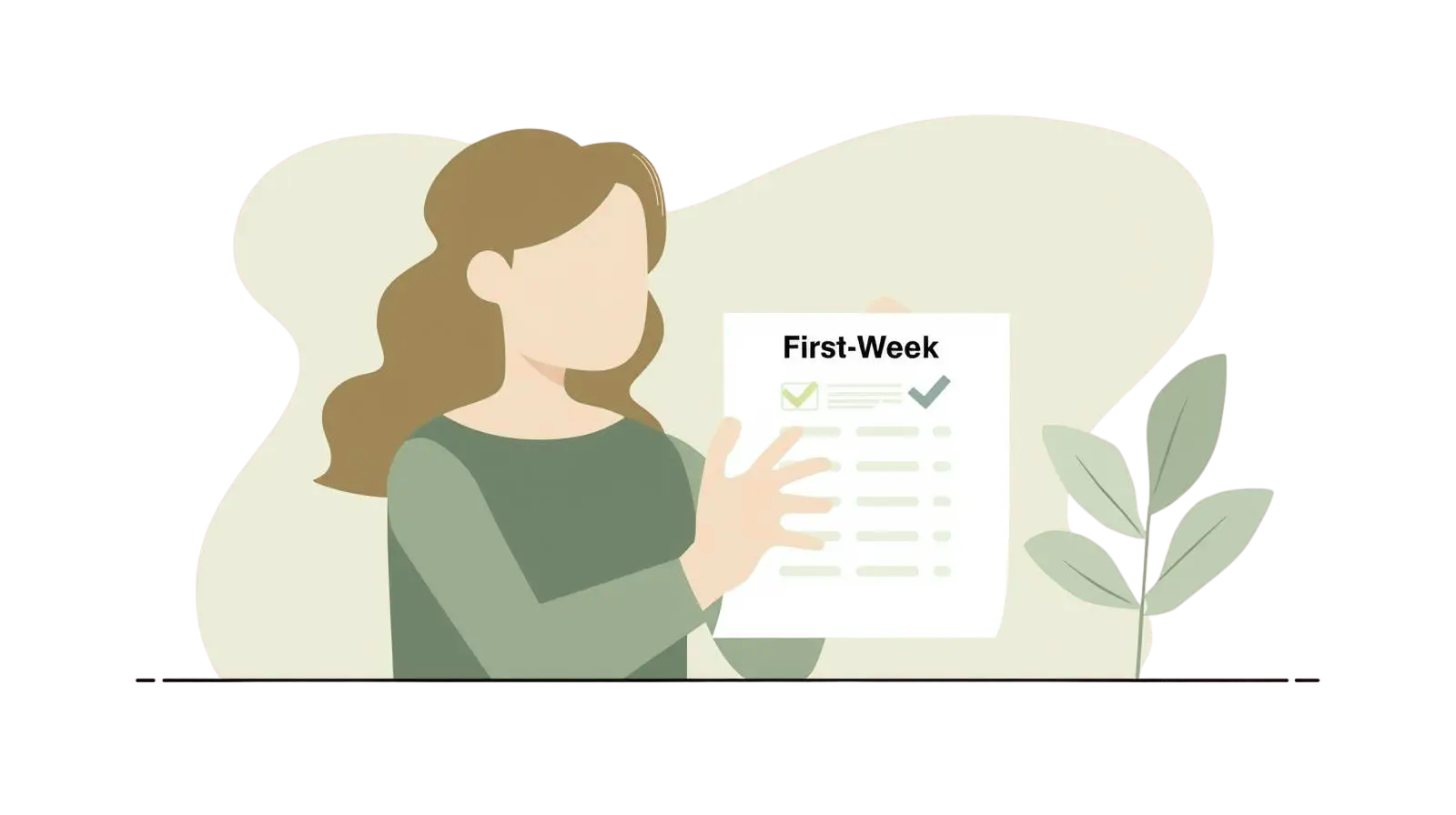
- Defined milestones for the first week and first 90 days
- Flexibility within a common framework
When onboarding is consistent:
- Managers spend less time clarifying and correcting
- New hires build confidence faster
- Teams align around the same standards
Structure doesn’t remove autonomy — it removes confusion.
Why Structure Solves What Effort Can’t
Most teams already care about onboarding.
Most managers are already trying.
What’s missing isn’t motivation — it’s alignment.
A shared onboarding system gives teams:
- Consistency without micromanagement
- Clarity without bureaucracy
- A foundation that scales as the team grows
If onboarding feels harder than it should, it’s often because it depends too much on who’s delivering it.
Ready to Create Consistency Without Starting Over?
CoreStart Foundations is a practical onboarding system designed to give growing teams a shared foundation — so onboarding works the same way, no matter who’s leading it.