Building a Workforce Ready for Growth: Part 1
As businesses grow, many leaders begin to encounter challenges that seem frustratingly familiar. New employees take longer than expected to become productive. Managers spend a growing portion of their day answering questions. Work gets completed differently depending on who is doing it, and important knowledge often exists in the minds of a handful of experienced employees rather than within the business itself.
These situations are often treated as separate issues. One might be viewed as a hiring problem, another as a performance issue, and another as a communication challenge. Yet many of them stem from the same underlying reality: the systems that help employees learn, develop, and become successful have not evolved alongside the growth of the business.
In this four-part series, we’ll explore some of the often-overlooked factors that influence employee readiness, organizational consistency, and long-term business performance. We’ll examine why growing businesses tend to face the same challenges repeatedly, the hidden risks of tribal knowledge, why information alone doesn’t create capable employees, and what effective employee readiness systems look like in practice.
Because sustainable growth isn’t simply about adding more people. It’s about helping people become productive, confident, and successful in their roles.
The Pattern Many Businesses Experience
At some point, many growing businesses begin to notice a pattern. They begin to notice that the same questions continue to surface. It is not uncommon for managers to find themselves repeating explanations they’ve given dozens of times before. New employees often need more support than expected, and experienced employees become the unofficial source for everything from process questions to troubleshooting.
What’s interesting is that these situations often occur even when the company has hired good people. The issue is rarely a lack of intelligence, motivation, or effort. More often, it’s the result of knowledge being transferred informally. Employees learn by asking questions, observing others, and figuring things out as they go. Processes are explained slightly differently by different people, and important information is shared when someone remembers to share it.
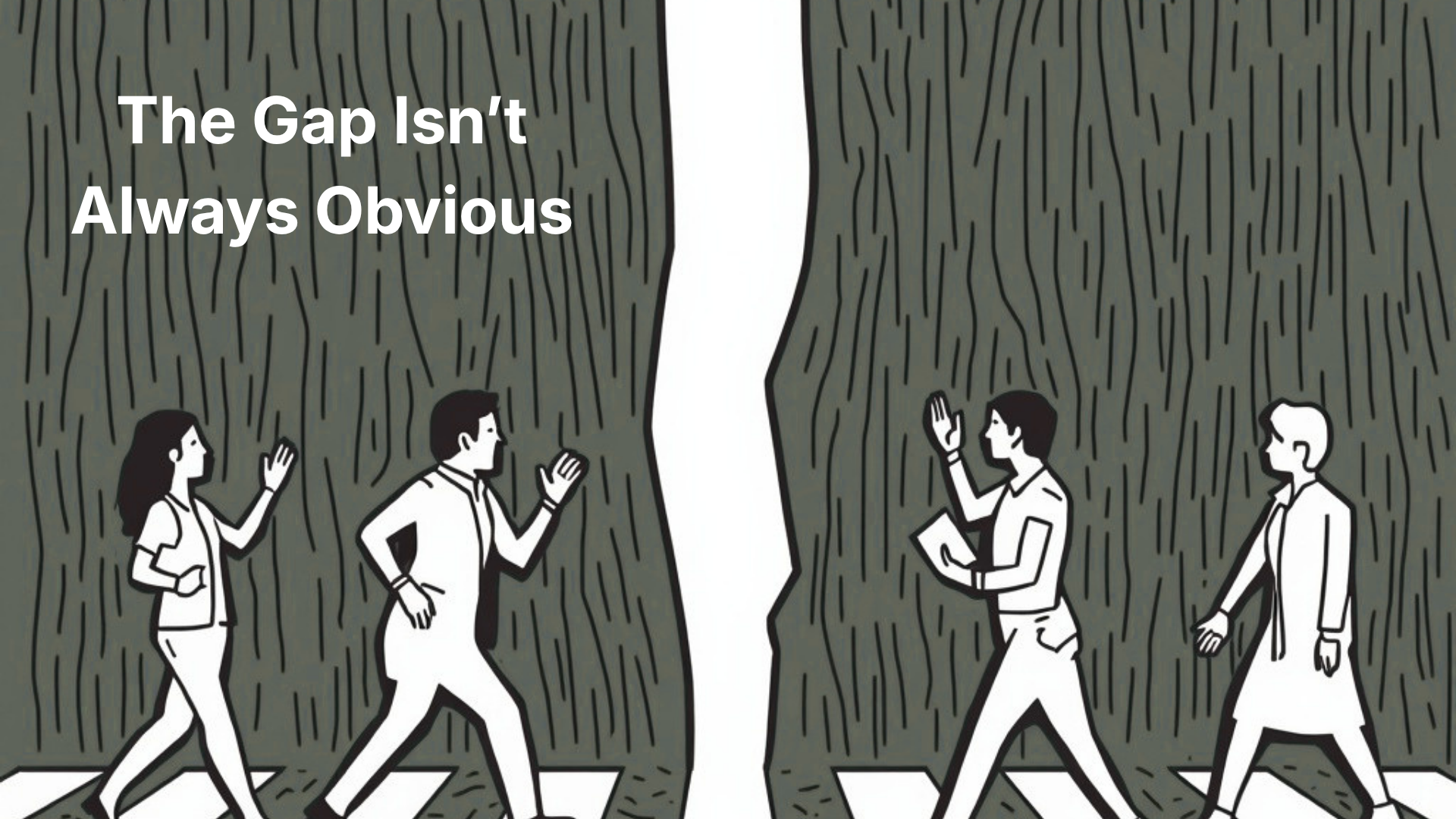
For a small team, this approach can work surprisingly well. When everyone sits near each other and communication happens naturally throughout the day, knowledge moves quickly. As the business grows, however, the cracks begin to show.
The owner becomes a bottleneck. Managers become overwhelmed. Experienced employees spend more time supporting others and less time focusing on their own responsibilities. The organization becomes highly dependent on a few people who “just know how things work.” As a result, the same problems keep resurfacing because the conditions that created them never really changed.
Growth Creates Complexity
One of the biggest challenges of growth is that it introduces complexity. When a company has five employees, most knowledge can be shared through conversations. Expectations are easier to communicate, questions are answered quickly, and everyone has a relatively clear understanding of how work gets done. At twenty-five employees, the environment is very different. People join at different times, managers have different leadership styles, and priorities shift as the business evolves. Additionally, new systems and processes may be introduced. What once happened naturally through daily interaction now requires much more intentional communication.
This is often the point where organizations begin experiencing inconsistent performance, repeated mistakes, longer learning curves, and increasing frustration from managers who feel like they are constantly answering the same questions.
In response, many businesses try to solve the problem by creating more documentation, scheduling more meetings, or adding more training.
While those efforts can certainly help, they don’t always address the root cause. The challenge isn’t necessarily a lack of information. In many organizations, there is already plenty of information available. The real challenge is helping employees understand what matters, how to apply it, and how to become confident performing their responsibilities independently.
The Difference Between Information and Readiness
This is where many businesses unknowingly get stuck. Information is easy to provide but readiness is much harder to develop. An employee can attend training, read procedures, watch demonstrations, and still feel uncertain about how to handle real situations when they arise.
Readiness develops when employees have clear expectations, opportunities to apply what they’re learning, feedback that helps them improve, and support that gradually builds confidence and independence. Without those elements, organizations often find themselves in a cycle where employees receive information but continue relying heavily on managers and experienced team members for guidance. Over time, that dependence limits growth.
The businesses that scale most successfully are rarely the ones that deliver the most training. More often, they are the ones that create the most clarity. Employees understand what success looks like, managers know how to support development, and knowledge is shared in ways that do not depend on a single individual. That clarity creates consistency. Consistency creates confidence. And confidence allows employees to contribute more independently.
Looking Ahead
In Part 2, we’ll explore one of the most common obstacles to sustainable growth: tribal knowledge.
While many businesses view tribal knowledge as a normal part of operations, it often creates hidden risks that become more apparent as teams grow. We’ll look at why knowledge concentrated in a few individuals can slow growth, increase dependence, and make employee development more difficult than it needs to be.
Closing Thought
Many of the challenges growing businesses experience are not caused by a lack of effort, commitment, or talent. They occur because the informal ways employees learn and share knowledge eventually struggle to keep pace with growth. The question isn’t whether employees are learning. They are. The question is whether the business is creating an environment where learning happens consistently enough to support performance, confidence, and long-term success.
How Prepared Is Your Team for Growth?
Take the Employee Readiness Assessment to evaluate the systems that support employee performance, development, and long-term success.
In less than 10 minutes, you’ll receive a personalized readiness score along with insights into areas that may be limiting productivity, consistency, and growth.